- Join Our Company
- Email: sanjay@pjnetworks.com
- Phone: +91-9818361787


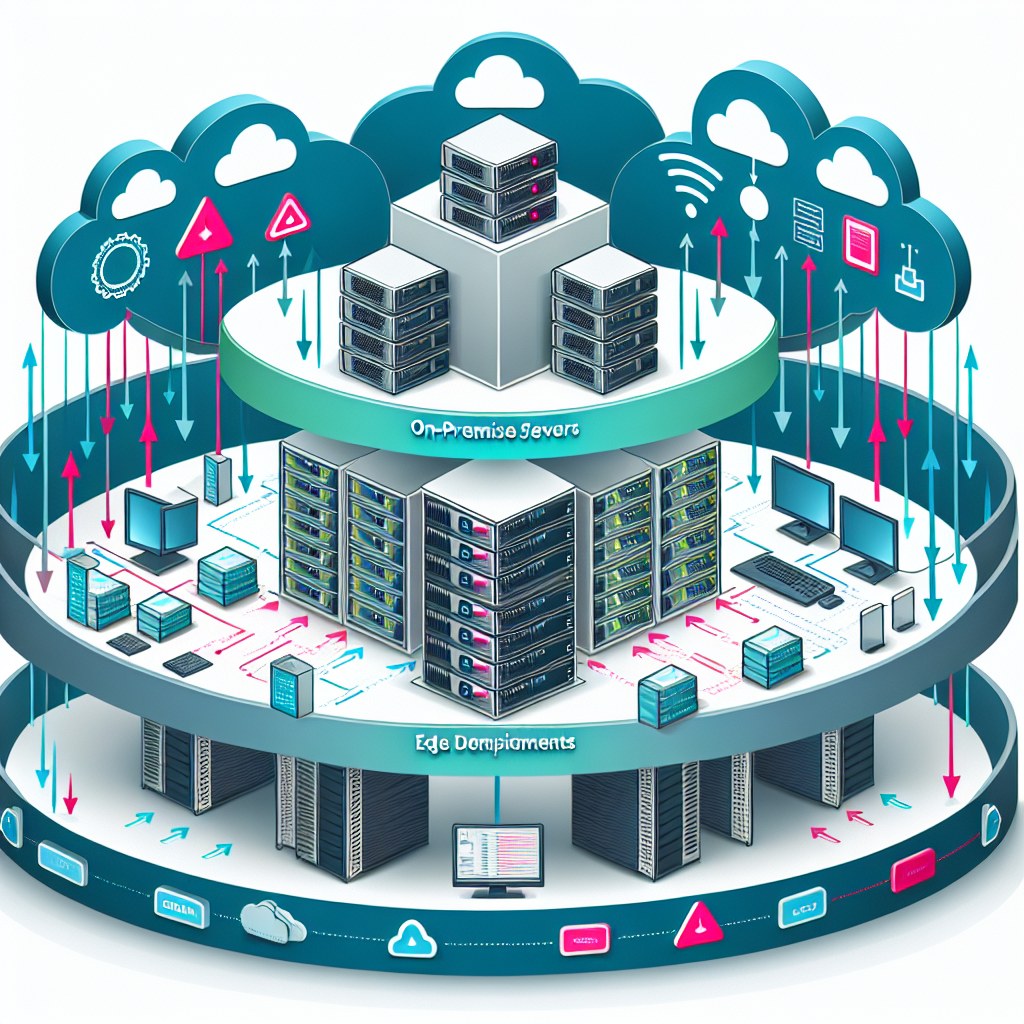
Wazuh has become the default answer for Indian estates that want SIEM (security information and event management) capability without a proportional licence bill — an open-source platform covering log analysis, endpoint telemetry, file integrity and compliance mapping, with nothing charged per event. The licence maths is real. What the licence line hides is that Wazuh moves cost from software to engineering, and the estates that get burned are the ones that read “free” as a total rather than a column.
Every Wazuh deployment carries the same operating load a commercial SIEM does, minus the vendor support desk: sizing and deploying the manager and indexer tier, rolling agents across servers and endpoints, writing decoders for the sources the community rules do not cover, tuning rules until the alert queue is survivable, and applying upgrades that occasionally change behaviour underneath you. None of that is a criticism of Wazuh — it is what operating any detection platform involves. It is simply not in the download.
We deploy and manage Wazuh for Indian clients across sectors alongside the commercial platforms we operate, and the working test we apply is the same one described on our managed SIEM services page: the platform is whichever tool fits your estate and budget; the service is the tuning, the retention design and the person answering at 3am.
Wazuh fits estates with engineering appetite and licence pressure: growing mid-market companies, cost-disciplined enterprises running it beside a commercial tool, and anyone whose event volume makes per-ingest pricing painful. It strains where custom sources multiply faster than decoder time, where compliance reporting must be defended to an auditor without an engineer in the room, and where nobody owns the tuning after the enthusiast who installed it changes jobs — the single most common failure mode we inherit.
The platform decision gets argued endlessly, but in inherited estates the choice of tool explains very little of the outcome. A tuned Wazuh outperforms a neglected commercial platform every time; the reverse is equally true. The first question is who will operate whatever you pick — with what hours, what tuning cadence and what ownership of the rule content. Answer that, and the platform choice becomes what it should be: a licensing and fit decision, not an act of faith. Estates already invested in Fortinet infrastructure, for instance, often land on FortiSIEM for the fabric integration rather than the licence maths; estates with strong Linux engineering lean Wazuh. Both work. Both fail identically when nobody owns the queue.
Because Wazuh runs on your infrastructure by default, it suits the co-managed split unusually well: the platform, the data and the licence-free economics stay entirely yours, while the operating tasks that need depth or night cover — decoder work, rule tuning, upgrade testing, off-hours monitoring — are shared or handed over. For teams that adopted Wazuh precisely to keep control of their data, this answers the objection that outsourcing means surrendering it. The platform never moves; the shifts do. In commercial-SOC terms this is a co-managed SOC arrangement; the only difference is that the platform underneath it is one you already own.
A word on how these engagements actually begin, because it is rarely a blank slate. The typical starting point is a Wazuh deployment installed eighteen months ago by someone capable who has since moved on: agents at four different versions, community rules unmodified since install, an indexer at 85% disk, and a dashboard nobody has logged into since the last audit. The first month is therefore assessment and stabilisation — agent estate brought to version discipline, the alert queue cut from thousands to a number a human can read, retention made deliberate. Only then does the deployment start returning the value the licence maths promised.
India’s 180-day rolling log-retention requirement applies regardless of what the platform cost. Wazuh handles it well — index lifecycle policies and tiered storage are native — but the design has to be deliberate: which indices stay hot and searchable, which age to cheaper storage, and where the data physically resides. Retrofitted retention is the most common gap we find in inherited Wazuh estates.
The pricing question arrives quickly once the licence is free: what exactly is being bought? The honest drivers are agent count and event volume (they size the platform work), source complexity (custom decoders are engineering time), coverage hours (business-hours tuning versus 24×7 monitoring are different services), and whether an implementation phase is included or the estate arrives already built. A quote that names a flat figure without asking about any of these has not priced your estate — it has priced an average one.
Wazuh removes the licence line, not the operating line. Run it with the same seriousness as a commercial SIEM — sized properly, tuned continuously, watched around the clock, retention designed for CERT-In from day one — and it is a genuinely economical platform. Run it as a free download with default rules, and it is a dashboard that produces confidence instead of detection. If what a SIEM does is the question, start there; if who operates yours is the question, that is exactly what a managed service answers.